The Quiet Architecture of the Faroe Islands
How harsh North Atlantic weather forged a distinct vernacular design language rooted in turf, wood, and basalt.
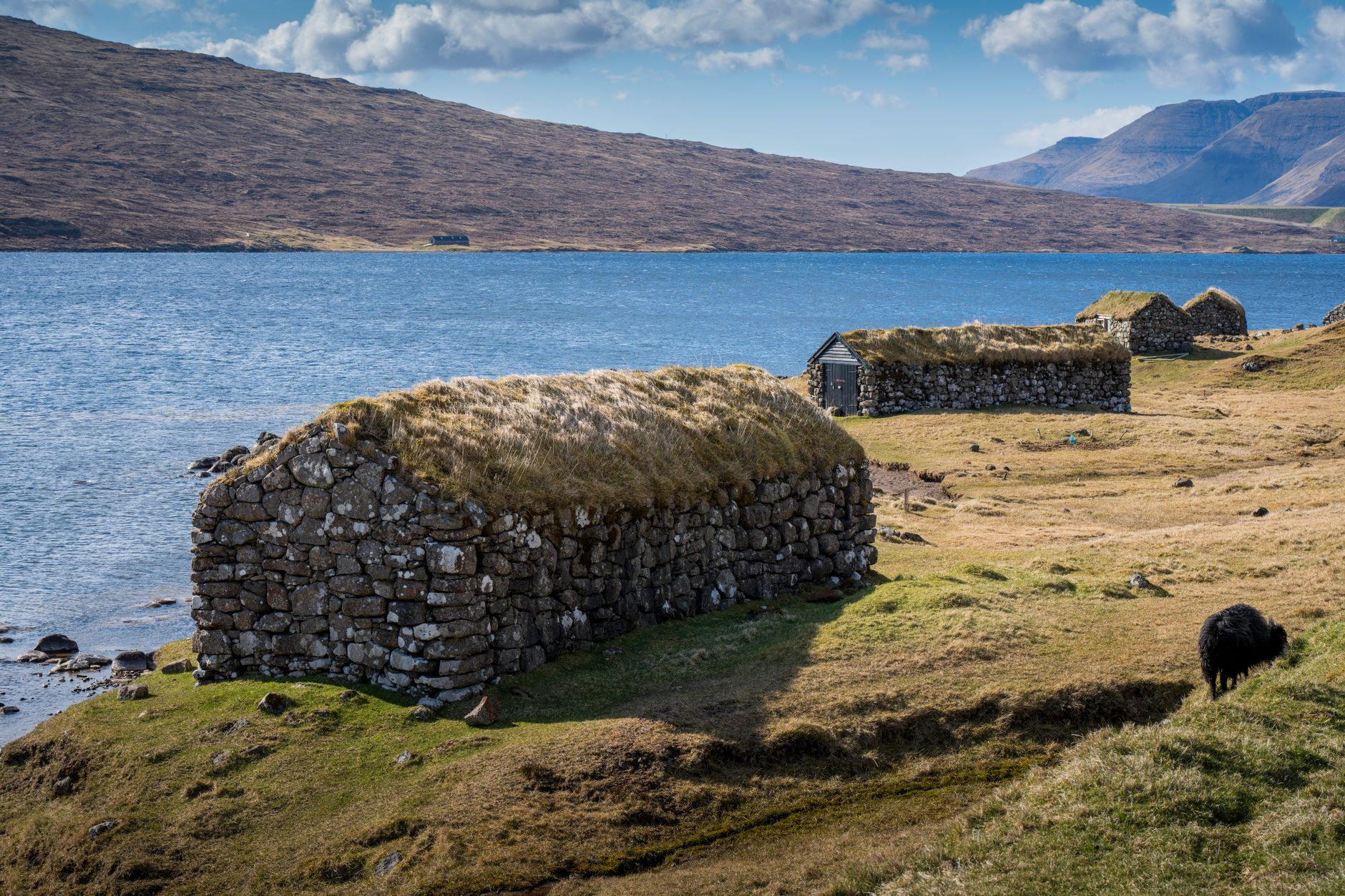
1. Harmonizing with Basalt Cliffs
Rising abruptly from the turbulent waters of the North Atlantic, the Faroe Islands present a landscape where weather dictates human shelter. Historically, timber was scarce, forcing early settlers to rely on driftwood and local stone.
What emerged was a building tradition that didn't seek to dominate the landscape, but rather to nestle into its folds for safety against seasonal gales.
2. The Thermal Logic of Turf Roofs
The iconic turf roofs of Faroese homes are far more than an aesthetic motif. Layered over birch bark waterproof membranes, living sod provides exceptional thermal insulation against freezing winds while anchoring heavy structures during storms.
"The grass on the roof is cut by sheep in the spring, creating a seamless line between mountain pasture and human habitation."
3. Modern Sustainable Echoes
Today, contemporary Faroese architects are adapting these ancient principles to design eco-conscious public buildings and private residences that honor traditional craftsmanship while introducing sleek glass and black-stained wooden cladding.